Professional Tire Work: Return to the Road With Safety and Haste
Professional tire services play a crucial role in guaranteeing vehicle protection and operation. Skilled professionals perform in-depth inspections to pinpoint different tire problems. From punctures to balance issues, every problem requires careful consideration. Knowing when to contact professional support can avert additional issues. As drivers manage these hurdles, they might ponder about the optimal fix options and care routines. Examining these matters can result in sound choices and more secure travels moving forward.
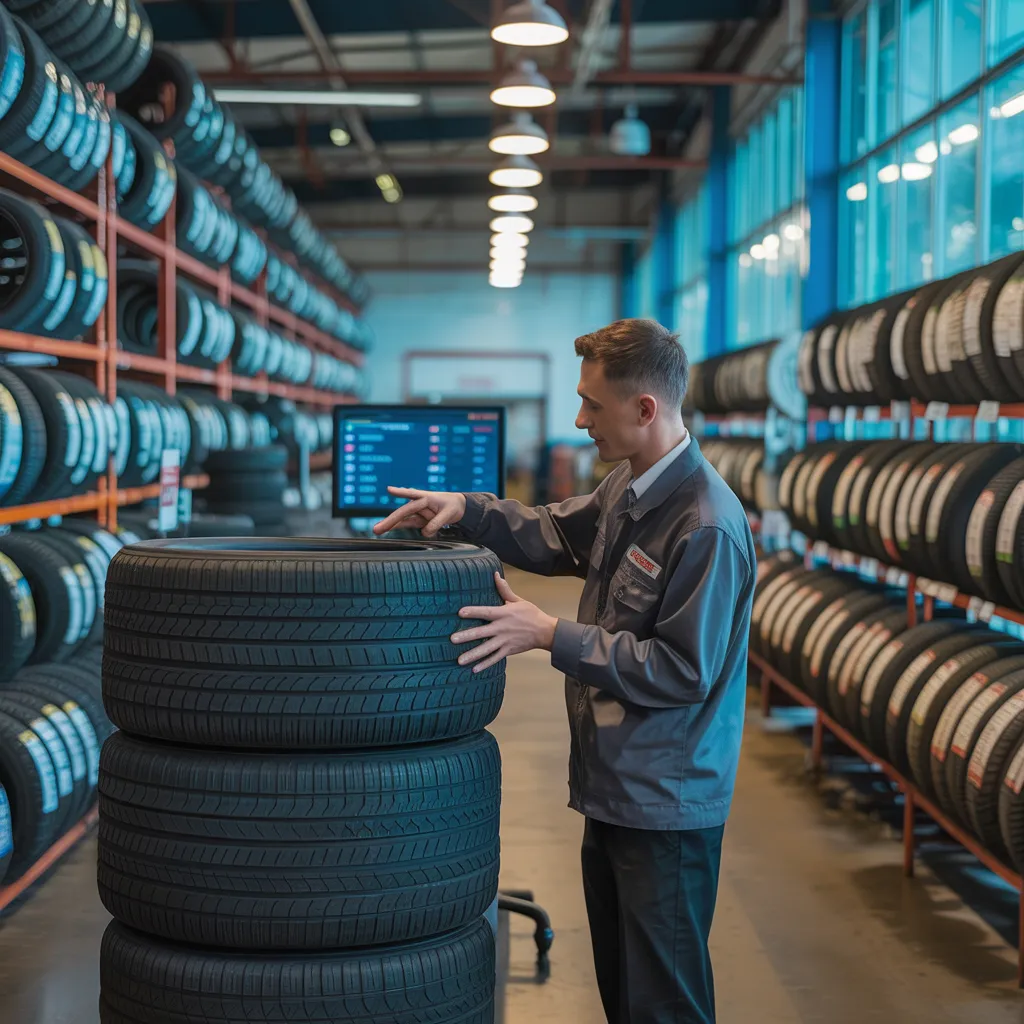
Frequent Tire Challenges to Recognize
When drivers fail to check their tires, they may encounter several common issues that can affect safety and performance. One frequent occurrence is underinflation, which can lead to increased tire wear and lower fuel efficiency. Over time, this can cause the tires to overheat, boosting the risk of a blowout. Another common problem is tread wear, which impacts traction and handling, particularly in wet conditions. Uneven wear may indicate alignment or suspension issues, requiring further inspection. Additionally, drivers may encounter punctures or sidewall damage from road hazards, resulting in slow leaks or complete tire failure. Consistent tire rotations, regular inspections, and appropriate inflation are vital for preventing these issues. Finally, environmental conditions can also contribute to tire degradation, making it important for drivers to monitor their tire health. By recognizing these common problems, drivers can improve their safety on the road.
When to Recognize About Getting Tire Repairs: A Guide?
Spotting the clues that tire restoration are necessary is vital for sustaining vehicle well-being and performance. Drivers should be vigilant for definite signals that suggest tire issues. Unbalanced degradation arrangements on the surface, as an illustration, may indicate alignment difficulties or insufficient inflation. In addition, apparent deterioration, such as slits, protrusions, or breaches, typically requires rapid care. An abrupt loss of air tension or regular need for air restoration also indicates that restoration may be necessary.
Drivers should pay close attention to handling and performance changes, such as vibrations or pulling to one side, which could signal tire imbalances or internal damage. Finally, regularly checking tread depth is essential; tires with patches of wear weaken traction. By monitoring these signs, drivers can confirm timely repairs, increasing both safety and vehicle longevity. Addressing these issues promptly not only prevents potential accidents but also cuts more extensive repair costs down the line.
A Guide to Learning About the Tire Maintenance Process
The tire repair process typically includes several key phases to guarantee safety and efficiency. Initially, a technician examines the tire for visible damage and evaluates its overall condition. This inspection helps determine whether the tire can be repaired or needs replacement. Following the inspection, the technician may remove the tire from the wheel to locate punctures or internal damage.
Once any issues are located, the specialist cleans the damaged area and readies it for restoration. This may include applying a seal or insert, based on the type and location of the harm. After the repair is finished, the tire is reinstalled and correctly inflated to the manufacturer's requirements.
Finally, a quality check confirms that the repair meets safety requirements. Throughout the process, technicians prioritize communication, notifying the client of findings and recommendations. This systematic method ensures a dependable restoration, enabling motorists to return to the road with confidence.
DIY Tire Repairs vs. Professional Help
Once understanding the tire restoration process, many drivers may evaluate whether to manage fixes independently or obtain professional assistance. DIY tire repairs can be appealing, particularly for those with basic technical skills and tools. Simple perforations can often be fixed using mending kits sold at auto supply stores, saving both effort and expenses. However, this method carries dangers if proper techniques are not utilized, conceivably causing further deterioration or safety hazards.
Conversely, expert tire repair providers offer specialized knowledge and advanced tools. Trained technicians can accurately assess tire damage, guaranteeing repairs remain both effective and secure. They can also identify underlying issues that a do-it-yourself method might overlook. In the end, the choice between DIY repairs and professional help depends on the driver's confidence, experience, and the severity of the tire damage. Creating a well-reasoned choice is essential for maintaining safety while driving.
Steps for Choosing the Superior Tire Repair Service
What can motorists do to confirm they choose the best tire service option? First, they should research local options, focusing on customer opinions and marks. This information provides insight into the caliber of service and reliability of various shops. Next, examining for licenses and affiliations with prominent automotive organizations can show professionalism and expertise.
Moreover, drivers should question the repair options offered, confirming the service can resolve their specific tire issues. Transparent pricing is also critical; trusted shops give explicit estimates without hidden charges.
In addition, evaluating the shop's coverage options on maintenance work can present comfort. Finally, convenience matters—your distance from home or workplace, as well as available hours, can sway the selection process. By considering these factors, drivers can assuredly pick a auto repair service that meets their requirements effectively.
Merits of Methodical Tire Care
Regular tire maintenance delivers many advantages that prolong the lifespan and output of tires. By routinely checking tire pressure, tread depth, and overall condition, vehicle owners can guarantee optimal grip and control. Proper inflation decreases deterioration, enhancing fuel efficiency and reducing costs at the pump. In addition, regular inspections can help detect problems such as irregular deterioration or harm, allowing for prompt fixes that prevent more significant problems down the road.
Taking care of tires also improves safety by lowering the likelihood of blowouts or accidents caused by depleted tread. Moreover, a well-maintained set of tires contributes to a smoother ride, enhancing comfort for both the driver and passengers. When individuals devote time to regular tire care, they can maximize the value of their investment, ensuring reliable performance and peace of mind during driving. Finally, maintaining tires regularly is a crucial element of being a read the facts responsible vehicle owner.
Suggestions for Sidestepping Future Tire Problems
Being proactive in tire upkeep can greatly reduce the chance of future issues. Regularly inspecting tire pressure is essential; low pressure can lead to early wear and reduced fuel efficiency. It is recommended to examine tires for visible damage, such as cuts or bulges, which may indicate structural issues. Rotating tires every 5,000 to 8,000 miles helps ensure even wear, extending their lifespan.
Additionally, maintaining proper alignment and balancing is critical to avoid uneven tread wear. Drivers should also monitor tread depth, using the penny test as a basic method; if Lincoln's head is visible, it's time for a replacement. Finally, preventing excessive loading of the vehicle can prevent excessive strain on tires. By applying these methods, vehicle owners can improve tire lifespan and support a safer driving experience.

Common Inquiries Posed
What amount of time is needed for a regular tire repair?
A regular tire maintenance typically needs 30 minutes to an hour subject to the degree of damage and the repair type necessary. Elements like technician availability and shop workload can also shape the overall duration.
Do All Wheel Models Permit Repair?
Not every tire type is able to be repaired. In most cases, tread punctures on passenger tires could be repairable, whereas sidewall deterioration, extreme wear, or tires that have undergone multiple repairs often demand purchasing new tires to assure safety.
Understanding the Expense of Getting Your Tires Repaired?
Tire repairs costs typically range from $10 to $30, contingent on the degree of damage and location. Considerations including tire classification and the repair shop may affect the ultimate cost, causing it changeable.
Is Tire Repair Covered by Your Insurance Policy?
Repair coverage for tires varies depending on your insurance policy. Certain policies provide roadside assistance or repair costs, whereas others may exclude this protection. It's vital for people to examine their particular policy details to identify what protection exists for tire maintenance.
How Might I Increase the Life Span of My Tire?
To maximize a tire's longevity, regular maintenance is essential. This entails maintaining proper tire pressure, rotating tires frequently, ensuring proper alignment, avoiding overloading, and observing tread depth for signs of wear or damage.